Flagship programme First level of training Dates to be confirmed

"Core CBT techniques for counselling and coaching" (CBT+)

Systematic training in cognitive behavioural therapy: 13 modules that take you from methodology and assessment through to independent case work under supervision.

Duration
13 months
Workload
394 academic hours
Schedule
Once a month, Friday and Saturday, 10:00 to 16:00
Format
Hybrid: in person in Warsaw or online
Language
Russian
Start
Dates to be confirmed — we will let you know in response to your request
Certificate
Certificate of CBT Poland Center
Price
On request

What this programme is about

CBT+ is the first level of training in cognitive behavioural therapy. Over 13 months you travel from the question “how is CBT actually put together” to independent case work, which you then review with the teacher and the group.

The programme is built around practice. Each module gives you not an overview of a topic but a concrete set of tools, which you apply in your work before the next meeting and bring back — with questions, mistakes and results.

Why 13 months

Short courses give you knowledge of techniques. A durable skill takes time: apply it, get it wrong, receive feedback, apply it again. That is why the programme is spread over a year and more rather than compressed into an intensive. Between modules there is a month of real practice, not a pause.

What the 394 hours consist of

  • 173 hours of taught sessions — 13 modules of 12 hours each plus a final session.
  • 52 hours of peer supervision — working through your own cases in small groups.
  • 169 hours of independent work — reading, written assignments, practising techniques.

Classical CBT and the third wave together

Individual modules are devoted to third-wave approaches: acceptance and commitment therapy, dialectical behaviour therapy, compassion focused therapy and mindfulness practice. This is not an overview “for general interest” — these are tools for situations where classical cognitive restructuring does not work: chronic self-criticism, emotional instability, being stuck in avoidance.

What you receive on completion

A certificate of CBT Poland Center confirming completion of the programme of 394 academic hours — provided you attend the modules and peer supervision meetings and pass the assessment.

The programme reproduces the structure of the CBT+ course that the CBT centre network has run since 2020. The teaching faculty and methodology are shared; the schedule and organisation are Polish.

Outcome

What you will be able to do after the programme

Formulate a case

Build a cognitive behavioural conceptualisation: from the client's presenting concern to a working hypothesis and a treatment plan with measurable goals.

Command the core set of techniques

Working with automatic thoughts and beliefs, behavioural experiments, exposure, problem solving, activity scheduling.

Apply third-wave methods

Tools from ACT, DBT, CFT and mindfulness practice where classical techniques are not enough.

Work with emotions and distress

Skills in emotional regulation, distress tolerance and working with self-criticism — in the client and in yourself.

Act in a crisis

Risk assessment, talking about suicidal thoughts, a crisis plan — without panic and without avoiding the subject.

Assess change

Using standardised scales and questionnaires so that you can see the result of your work rather than guess at it.

Contents

Module breakdown

13 teaching modules of 12 hours each plus a final session. The structure follows the programme of the CBT centre network.

01 Methodology and theory of CBT

Where cognitive behavioural therapy came from and why it is built the way it is. The three waves of CBT, the evidence base, the limits of applicability. The therapeutic relationship and the structure of a session as working instruments rather than a formality.

02 Assessment, case formulation, core techniques

The initial interview, gathering information, forming a hypothesis. How to turn the complaint "I feel bad" into a formulation you can work with. Identifying automatic thoughts and a first look at cognitive restructuring.

03 Working with values

Why therapy needs values and how they differ from goals. How to use values to give a person direction again when motivation has gone. Practice drawn from acceptance and commitment therapy.

04 Problem solving and decision making

The structured problem-solving protocol. What to do when a client is stuck between options. Working with procrastination, avoidance and "choice paralysis".

05 Working with pain

The psychological mechanisms of chronic pain and why pain is amplified by fear and avoidance. CBT tools that reduce the impact of pain on life even when the pain itself remains.

06 Critical thinking and cognitive work

How to tell a thought from a fact, and a belief from a conclusion. Cognitive distortions without labels: how to test thoughts together with the client rather than argue with them. Working with intermediate and core beliefs.

07 CBT for anxiety and stress

Models of anxiety disorders: panic, generalised anxiety, social anxiety, OCD. Exposure as the principal tool: preparation, delivery, review. The typical mistakes that stop exposure working.

08 Conflict and social skills

Assertiveness as a skill, not a character trait. What to do when the client's problem lies in the people around them. Social skills training, working with boundaries and refusal.

09 Crisis situations and suicidal behaviour

Risk assessment without formal questionnaires filled in "just in case". How to ask direct questions about suicidal thoughts. The crisis plan, working with the immediate environment, the limits of the practitioner's responsibility.

10 Mindfulness and happiness

What the research on mindfulness practice shows and how to build it into therapy. How practice differs from relaxation. Positive psychology without slogans: working with gratitude, engagement and meaning.

11 Emotional and behavioural regulation

Tools from dialectical behaviour therapy: distress tolerance, emotion regulation and interpersonal effectiveness skills. Working with impulsivity and self-harming behaviour.

12 Self-criticism, shame and self-compassion

Why self-criticism is experienced as a driver and what it actually is. Compassion focused therapy: working with shame, the inner critic and the fear of self-compassion.

13 The programme-oriented approach

How to assemble separate techniques into a coherent programme for a particular concern. Protocols and structured programmes: when they help and when they get in the way. Planning a course of therapy from the first session to the end.

14 Final session and assessment

A review of your own case work, feedback from the teacher and the group, a knowledge check. A discussion of where to go next: supervision, specialisations, advanced programmes.

Who teaches

Programme teachers

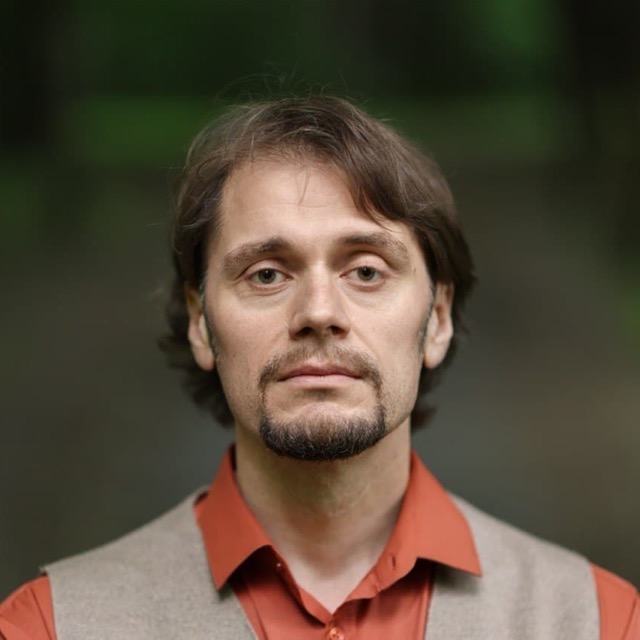
Dmitry Dyakov

Dmitry Dyakov

Co-founder of the centre · Teacher and supervisor

Doctor of Psychology, professor. Official national representative to the European Association for Behavioural and Cognitive Therapies (EABCT). Accredited CBT therapist and supervisor, schema therapist. Leads the centre's certification programmes and trains practitioners in Poland, Belarus and Israel.

CBTSchema therapyEMDRSupervision
Questions

Frequently asked questions about the programme

? Do I need a degree in psychology?

Not to take part in the programme. It is designed for a wide range of practitioners in the helping professions. But it is important to understand: without a relevant degree the certificate does not confer the right to practise psychotherapy — it confirms command of CBT tools applicable in counselling, coaching, teaching and management.

? Can I take the programme entirely online?

Yes. Online participants work in separate groups for practical exercises, receive the same materials and take the same assessment.

? What happens if I miss a module?

Sessions are recorded and the recording remains available. But a recording does not replace the practical part, so it is best to make up a missed module with the group in the next cohort or individually.

? Are the peer supervision meetings compulsory?

Yes. The 52 hours of peer supervision are part of the programme and a condition of receiving the certificate. They are paid for separately from the main modules.

? How much time is needed between modules?

Plan for 8–12 hours a month: reading, written assignments, practising techniques and the peer supervision meeting. Independent work across the programme totals 169 hours.

? When does it start?

Enrolment dates are being confirmed. Send a request — you will join the list of people we tell first, and you will receive the detailed module schedule.

Request about this programme

Leave your contact details — a coordinator will tell you about enrolment dates, the schedule and pricing, and answer questions about the format.

Send a request

We are opening soon

Applications are not open yet. Write to us by email and we will reply as soon as booking opens.

info@cbtpoland.com